
Tear-off
Removal exposes the base and gives access to damaged decking and worn connections. It creates debris and requires staging, but it avoids burying unresolved layers beneath the new roof.
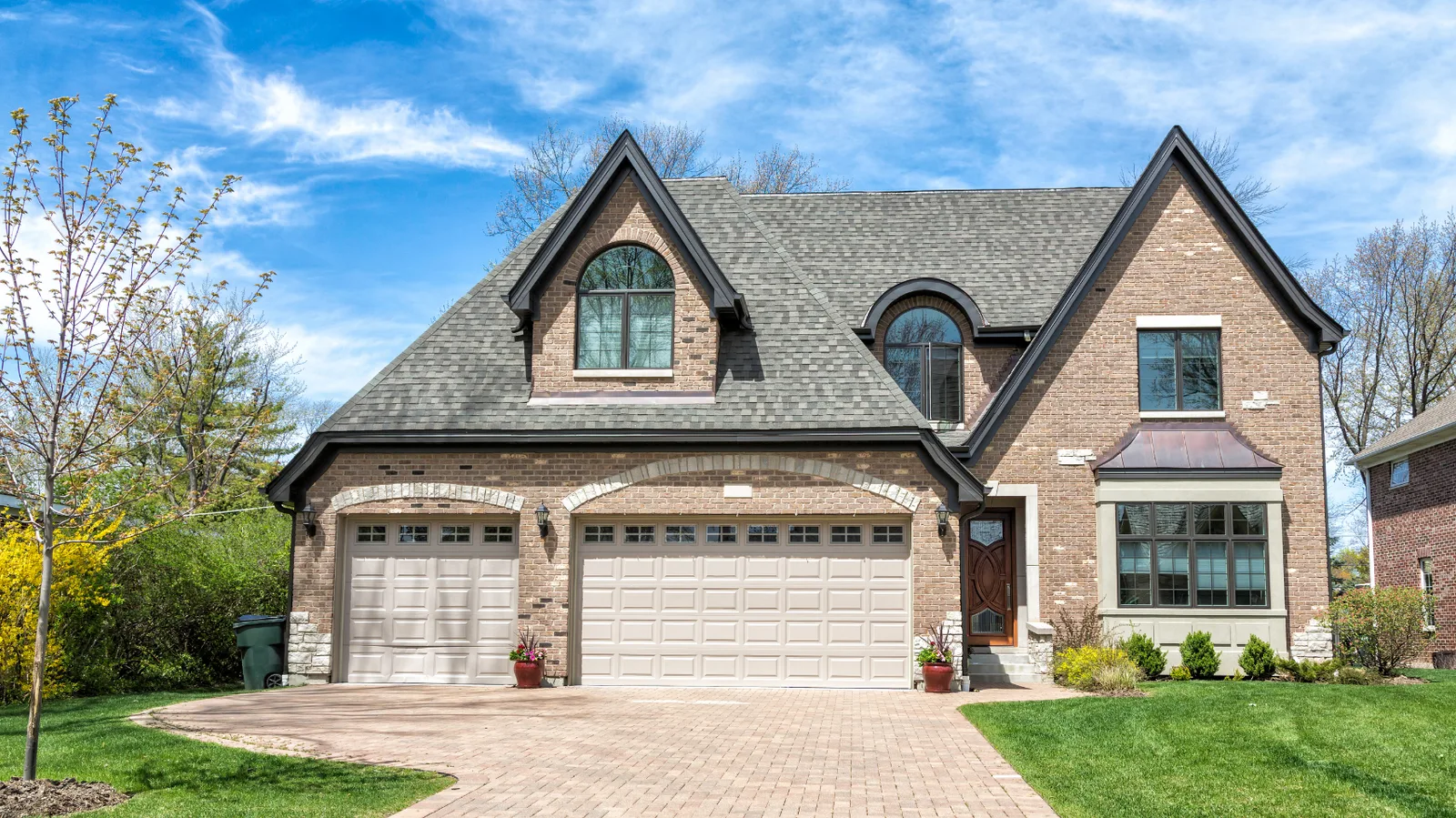
When the old roof can no longer support a sound repair, replacement needs to address the whole assembly. We help you understand the covering, the base and the connections before the work starts.
Free roof inspections. A roofer walks the roof when conditions allow.
The new covering depends on the roof beneath it. Tear-off exposes decking that has been hidden by the old roof. Soft or damaged wood needs attention before underlayment and shingles cover it again. Eave and valley protection, flashing, edge metal and ventilation then have to work together.
A replacement should account for the way water leaves the roof, the joints at walls and penetrations, and how intake and exhaust serve the attic. Replacing the visible covering without resolving those connections leaves important work unfinished.
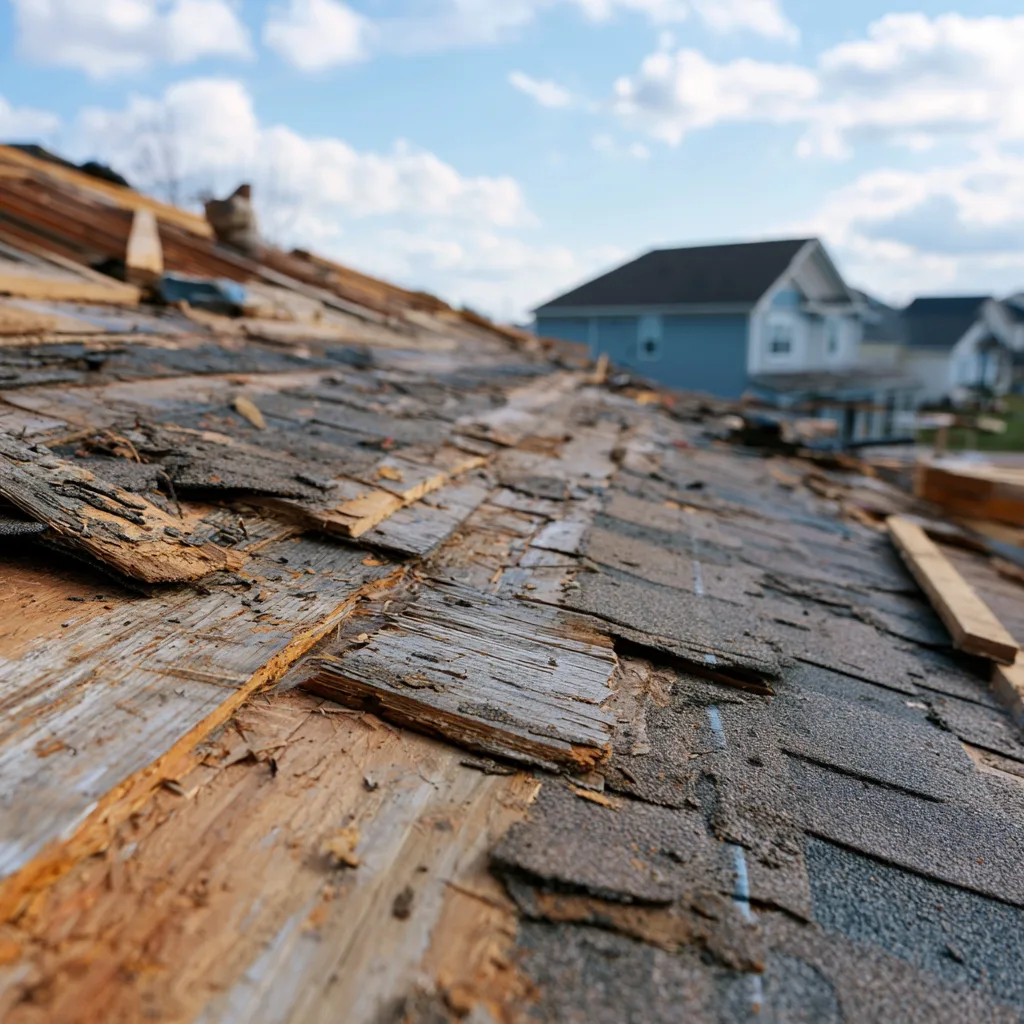
Adding another covering leaves the old layers in place. Suitability depends on the existing assembly, current rules and the selected product instructions.
Removal exposes the base and gives access to damaged decking and worn connections. It creates debris and requires staging, but it avoids burying unresolved layers beneath the new roof.
A suitable base and an eligible assembly are essential. Water-soaked layers, deterioration or too many coverings rule out simply adding another roof. A recover is a scope decision, not an automatic lower-cost substitute.
Architectural asphalt shingles use a laminated construction for a dimensional profile. Three-tab shingles have a flatter appearance; designer products use different shapes and build. An impact rating is a tested product attribute, while fastening, deck condition and details still affect the installed roof.
Color samples help with appearance, but a small sample does not show a full roof under daylight. Metal roofing and low-slope assemblies use different water-control and movement details. The right choice fits both the roof geometry and the way the complete system will be installed.
Compare shingle options
Some work is visible at inspection; some is concealed until removal. The difference should be clear before new layers hide the base again.
The existing covering, accessible edges, visible flashing and roof layout inform the initial removal, material and access scope. These establish the project being planned.
Soft sheathing, hidden leaks or additional layers can appear during tear-off. The repair needed and its effect on cost are discussed before that area is covered. Sound new roofing needs a sound base.
Deteriorated edge metal, vent flashings and wall connections need appropriate replacement or integration. Reusing a failed component can carry the original leak path into a new covering.
A Kansas City metro architectural-asphalt planning example uses $4 to $6 per measured square foot of roof surface. A 2,000-square-foot roof gives an $8,000 to $12,000 range. The scenario includes one shingle layer removed, synthetic underlayment, eave and valley protection, needed flashing, ridge venting and haul-away.
The calculator supports 1,500 to 3,500 square feet of measured roof surface. It does not add invented surcharges for complex roofs. Additional layers, damaged decking, difficult access and work outside the basic scope need a property-specific price. These October 2026 metro figures are planning context; the roof inspection establishes the actual work.
Explore a replacement budget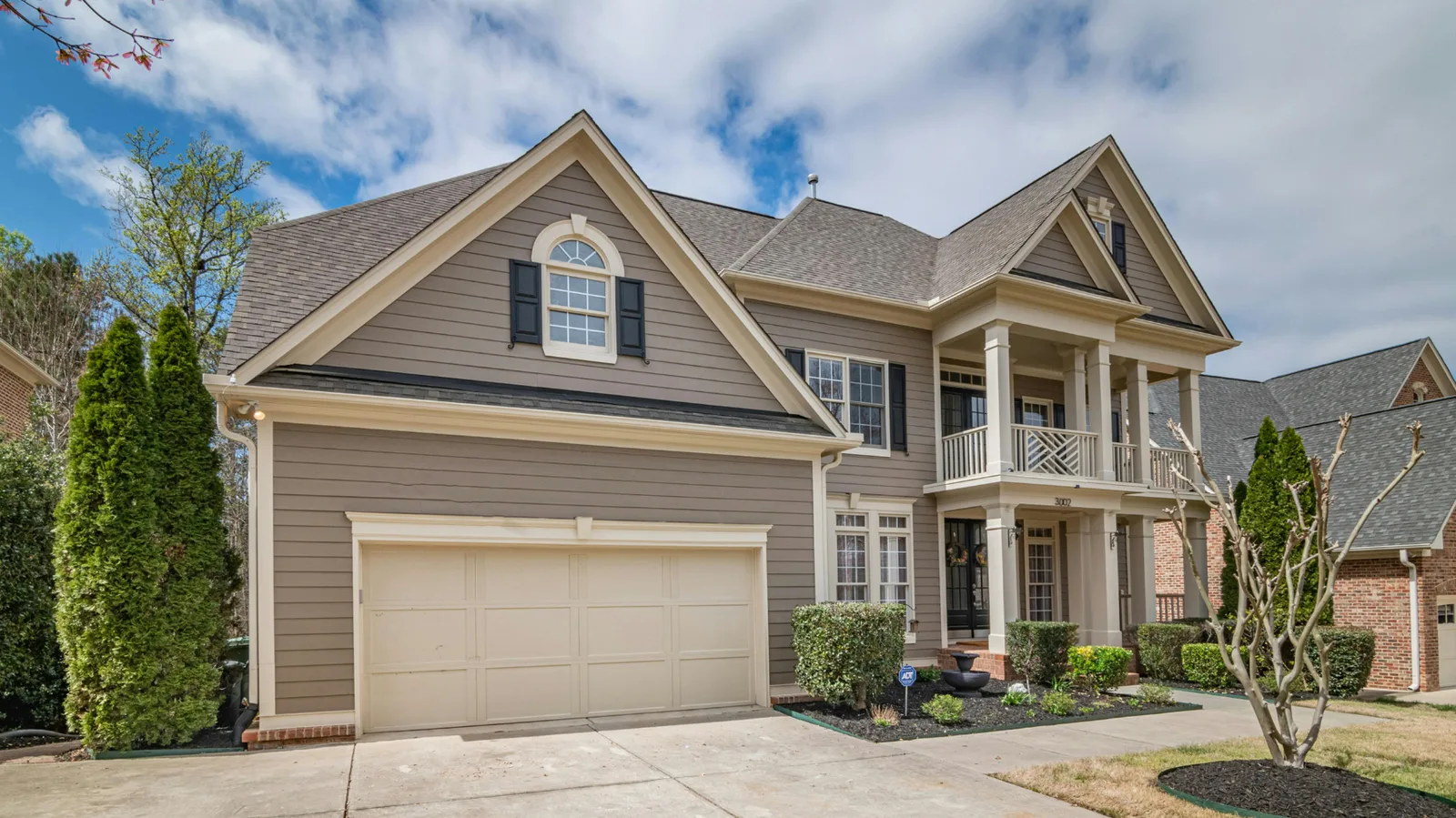
The roof and the property both shape the plan. Access, debris handling, weather exposure and protection around the building are considered with the roofing scope.
The covering, roof shape, connections and available base information help define removal and material choices.
Tear-off exposes the deck. Necessary wood repairs and changed scope are resolved before the new layers go on.
Underlayment, edge details, flashings, vents and covering are installed as a coordinated system. Cleanup and applicable inspections complete the work.
Material coverage and installation coverage address different problems. The issuer, covered work, exclusions and remedy determine what applies.
Manufacturing-defect coverage depends on the selected product and its written terms. A performance classification is different from a promise that a roof will never be damaged.
Workmanship coverage concerns the installation and is provided under the contractor’s actual terms. Duration, transfer rules and the process for a problem need to be clear for that project.
Only when the existing assembly is suitable and the rules and product instructions permit it. Wet or deteriorated layers and too many existing coverings prevent that approach. The local permit guide explains Merriam’s published conditions.
Roof size, complexity, deck repairs, weather and access affect the work sequence. The project schedule is arranged for the actual scope rather than assumed from a general example.
Age is context, not a condition report. The covering, connections, base and repairability determine the useful options.
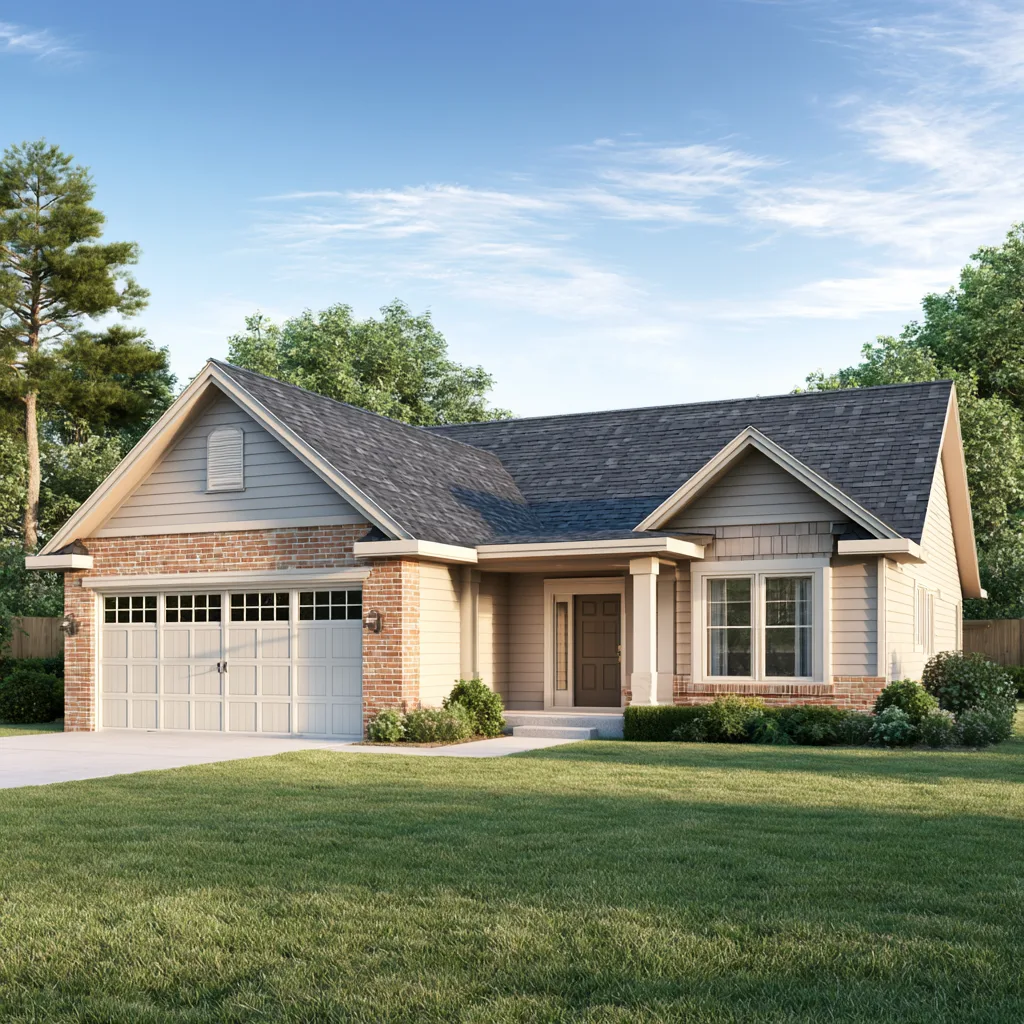
Request a free roof inspection and talk through the roof system, material options and work your property needs.
(913) 808-3279