
Pipes and vents
A split boot opens a route alongside the pipe. The replacement flashing needs to fit the penetration and integrate with the shingle courses above and below it. The surrounding covering still needs to be serviceable.
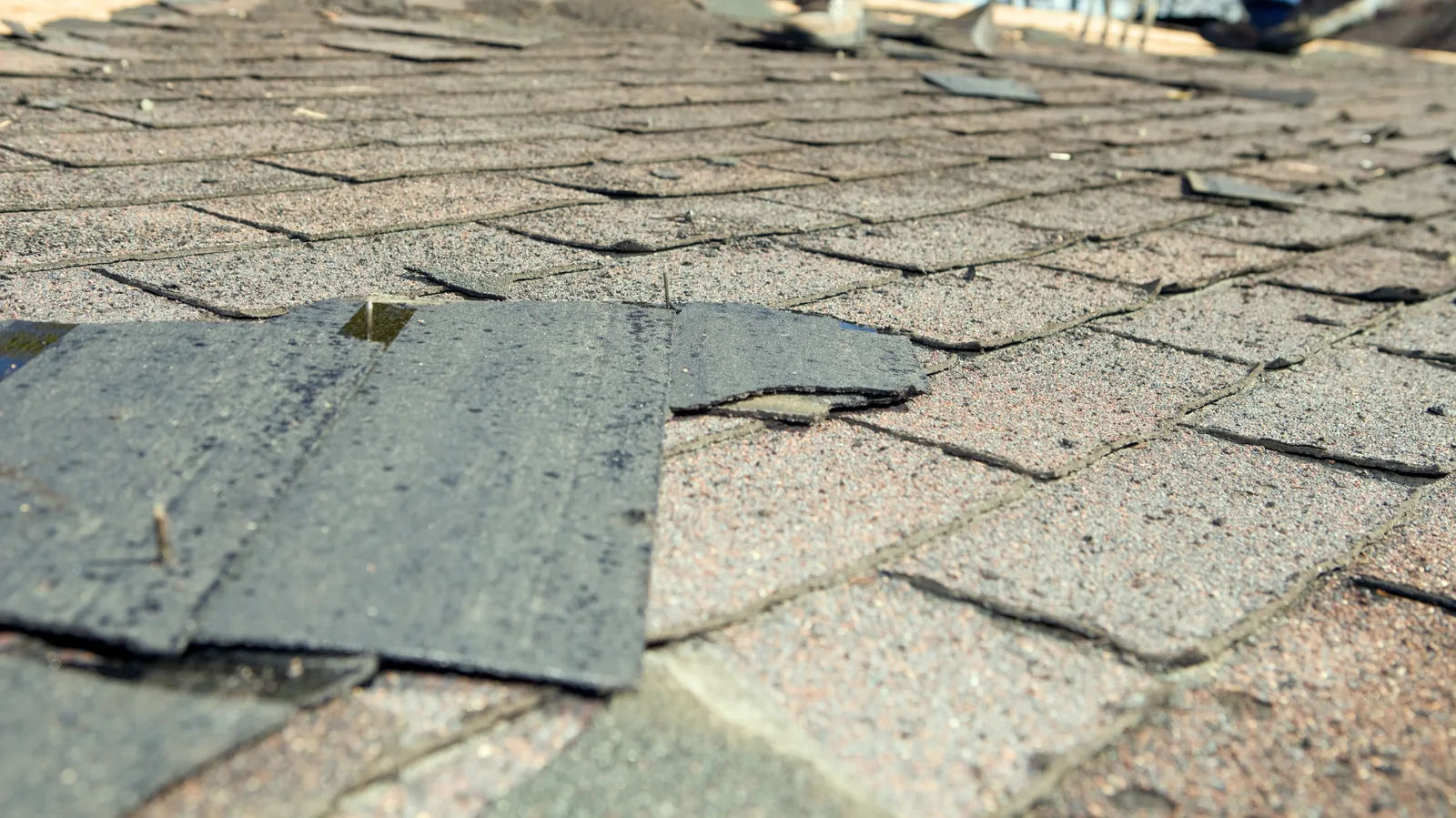
A leak needs the opening found and the surrounding roof checked. We repair roofing failures with attention to how the new work connects to the covering and base already there.
Free roof inspections. A roofer walks the roof when conditions allow.
Rain can enter at a vent, travel along the roof deck and show up farther down the house. We trace the likely path and examine the adjoining roof instead of treating the ceiling stain as the opening. A split pipe boot, loose step flashing and damaged shingles require different repairs.
Sealant spread over the surface doesn't rebuild a connection that needs new flashing or replacement material. The repair has to direct water back onto the roof surface and outward, with laps and fastening that suit the roof system.
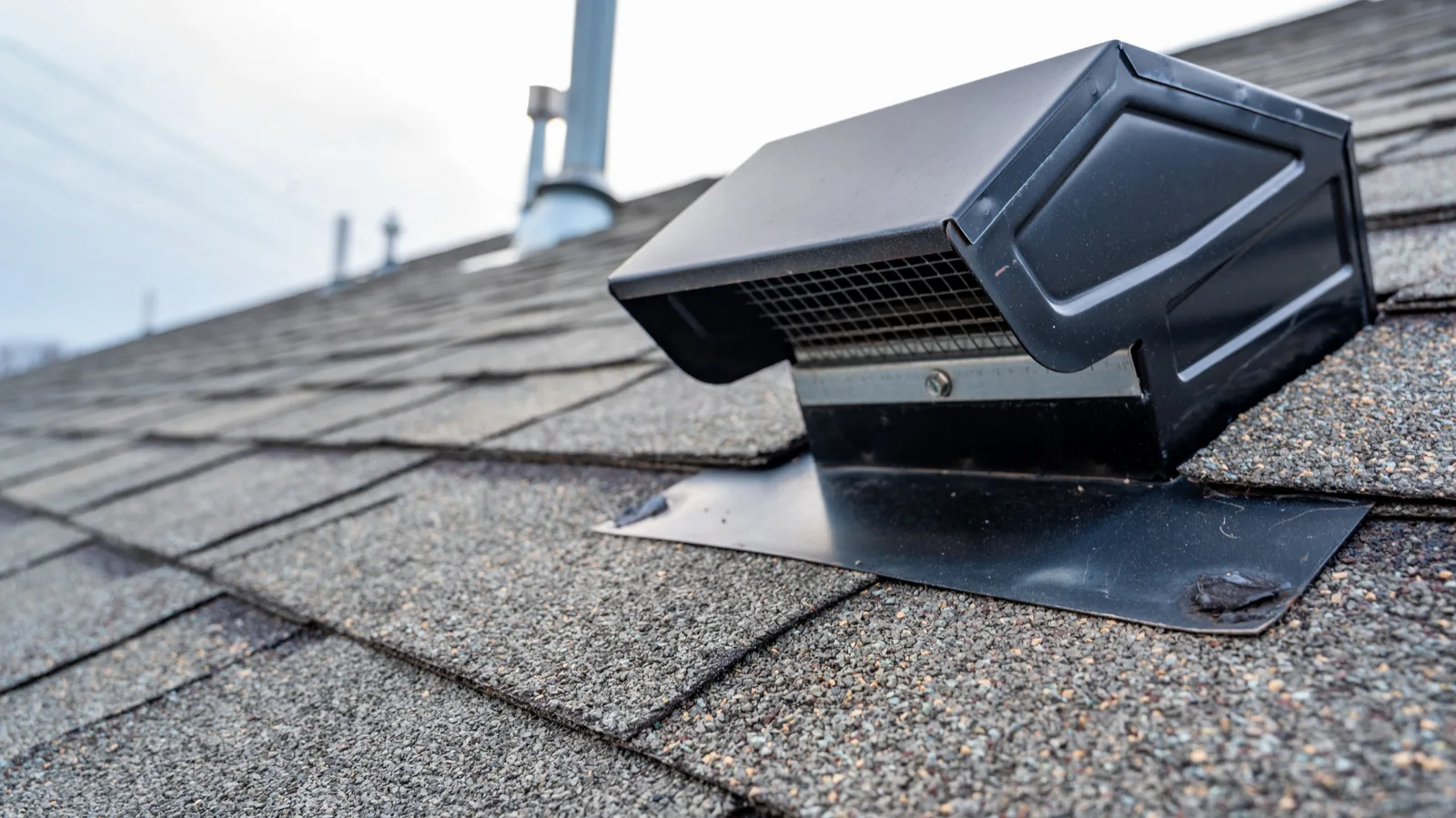
Roof transitions need their own repair method. The parts overlap to move water, rather than relying on a visible bead of caulk alone.
A split boot opens a route alongside the pipe. The replacement flashing needs to fit the penetration and integrate with the shingle courses above and below it. The surrounding covering still needs to be serviceable.
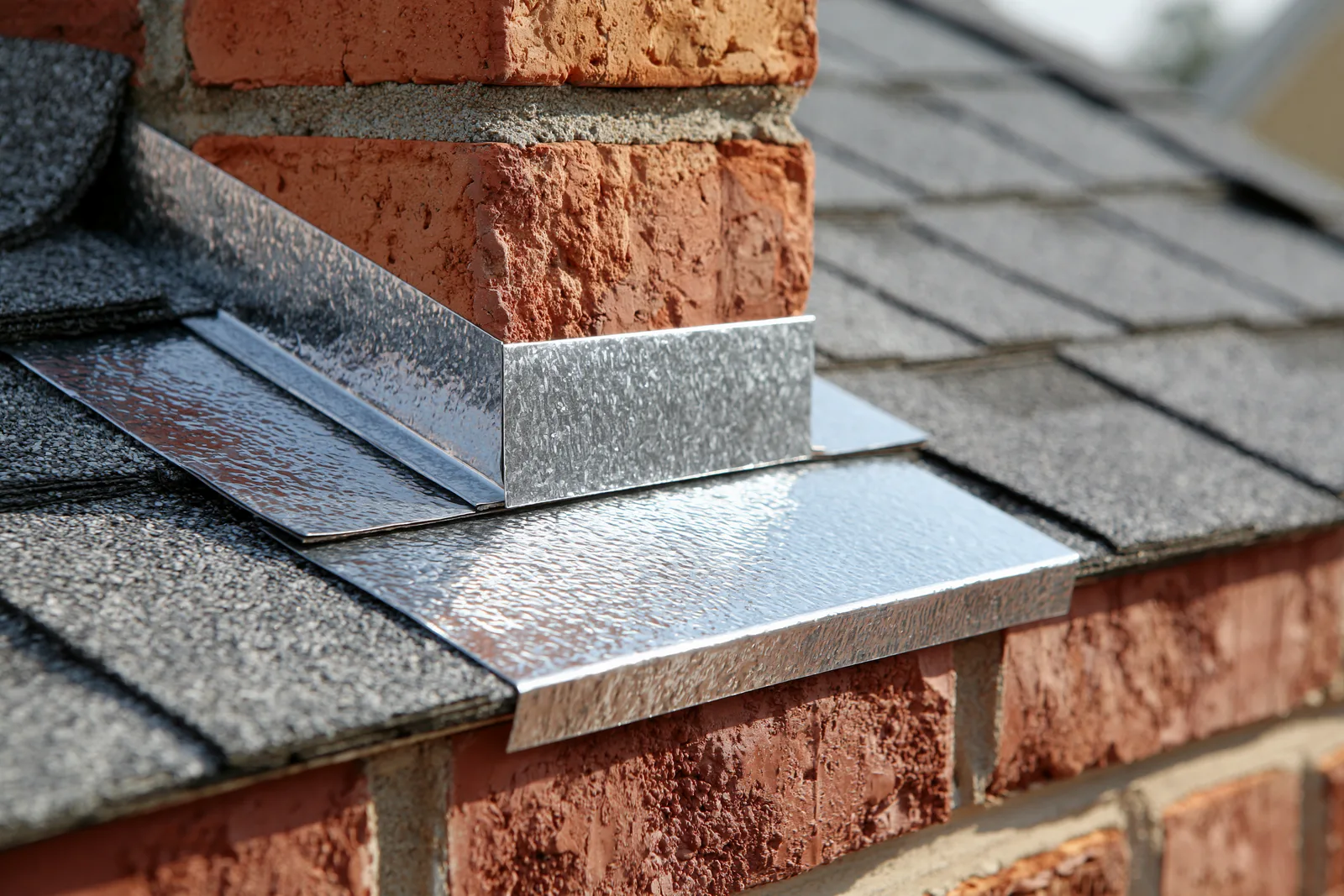
Step flashing works with successive shingle courses, while counterflashing protects its upper edge at masonry. A failed joint can require removing nearby material and rebuilding that layered connection.
Valleys collect runoff from adjoining slopes. Damaged covering, failed metal or a weak base can let water beneath the system. Edge repairs also consider drip edge, gutter position and the condition of fascia and decking.
We remove enough damaged material to expose the failure, check the base, and work new covering and flashing back into the drainage path. The adjoining shingles need to be workable, the replacement needs to fit the system, and the fastening and deck need to be sound.
Brittle surrounding shingles, wet decking or several old patch layers widen the work. A small visible opening can require a larger repair so the new work ends at a reliable connection. If a repair reveals concealed damage, the changed scope needs to be explained before the area is covered.
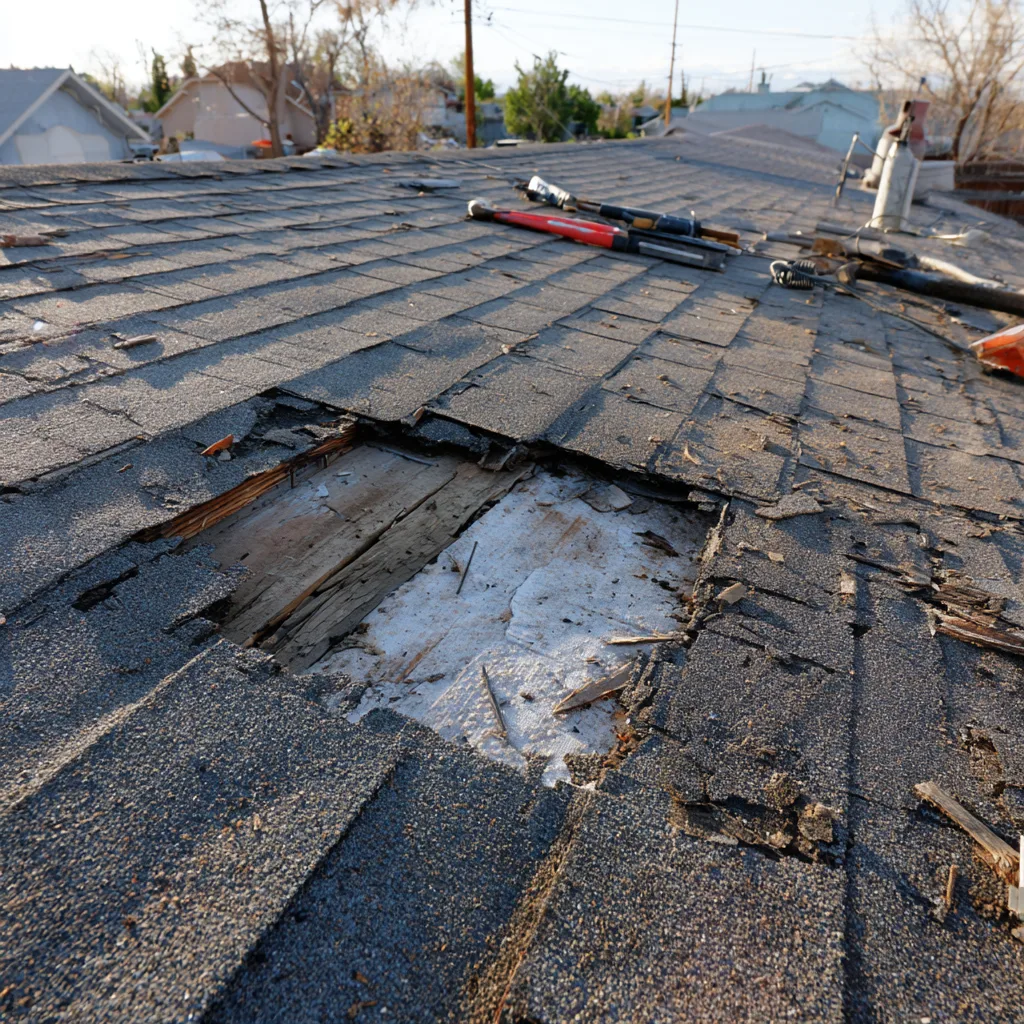
The condition around the failure determines whether a focused repair has somewhere sound to end.
One failed connection on a serviceable roof supports a repair discussion. Color variation between new and weathered material is separate from whether the repair can work.
Repeated leaks, widespread shingle breakdown or a damaged base can make a succession of patches poor value. Replacement then addresses the covering and necessary underlying work together.
The failed part is only part of the price. Access, roof pitch, the amount of material that must come off, compatible replacement availability and damaged wood all affect the work. Chimney or wall connections can involve more steps than replacing an isolated shingle.
Temporary protection and a finished repair serve different purposes. Covering an exposed area helps manage a current opening while the permanent work is planned; it does not establish the final repair boundary or remove wet material below. Tell us if water is coming in now so that concern is clear from the start.
The inspection is free, and a roofer walks the roof when conditions allow. The useful result is understanding what needs repair and what supports the connection.
The roof covering, transitions and nearby material help establish the path and the likely repair boundary.
Removal, new covering or flashing, base repairs and access belong in the scope. A wider issue gets discussed alongside the repair option.
Soft decking or concealed layers can change the work. Those changes need to be resolved before the repair is closed.
Yes, when compatible material is available and the adjoining shingles, fastening and deck allow a sound connection. Wider damage or brittle surrounding shingles can require a larger repair.
No. Tell us what you have noticed from a safe place. Keep people away from a sagging ceiling, avoid wet electrical areas and call emergency services if there is an immediate safety hazard.
Serviceable flashing must be suitable for the system and work. Rusted, damaged or deteriorated components need replacement rather than being covered and relied on again.

Tell us where the property is, what has changed and whether water is coming in now. Request a free roof inspection to understand the repair.
(913) 808-3279